Prebiotics vs Probiotics: The Difference and What Actually Works
How prebiotics differ from probiotics, who supplements genuinely help, who is better off with food, and why a probiotic's effect depends on the strain.
Contents
Probiotics are live beneficial bacteria; prebiotics are the fibers those bacteria feed on. The distinction is fundamental: one adds microbes, the other feeds the ones you already have. And a probiotic's effect depends heavily on the strain and the goal — "for gut flora in general" achieves almost nothing. For most healthy people, varied fiber and fermented food do more than a jar of supplement.
Two different concepts
The words sound alike, so they get confused, but the mechanisms are opposite.
- Probiotics are live microorganisms that, in sufficient amounts, confer a benefit. These are supplements with specific strains and fermented foods: yogurt, kefir, sauerkraut, kimchi.
- Prebiotics are food components we cannot digest but that feed beneficial bacteria. In essence they are certain fiber types: inulin, fructo-oligosaccharides (FOS), galacto-oligosaccharides (GOS).
There are derived terms too: synbiotics combine both, and postbiotics are the beneficial products of bacterial activity. But the foundation is these two categories.
What the research says about probiotics
The main mistake is treating probiotics as a single product. Their effect is strain-specific: data on one strain say nothing about another, even of the same species. So the correct question is not "do probiotics work" but "does this strain work for this condition".
Where the evidence is strongest:
| Situation | Evidence | Comment |
|---|---|---|
| Antibiotic-associated diarrhoea | Decent for select strains | Risk reduction, but not for all |
| Infectious diarrhoea | Moderate | Shortens duration by about a day |
| IBS | Mixed | Helps some; hard to predict |
| 'Immune boosting' | Weak | General promises are not supported |
One important nuance: there is evidence that routinely taking probiotics after a course of antibiotics may slow the recovery of your own microbiome rather than speed it. That is another reason not to take them "just in case".
Читайте также: The gut microbiome: what it is and what actually shapes it
Prebiotics: this is just fiber
The good news: prebiotics do not need to be bought separately. They are a type of dietary fiber, and the best way to get them is varied plant food. Legumes, whole grains, vegetables, fruit, nuts, onion, garlic and bananas all feed beneficial bacteria.
The mechanism is specific: fermenting these fibers, bacteria produce short-chain fatty acids (butyrate above all), which feed the gut lining and reduce inflammation. This is exactly why the gap between the fiber target and what people actually eat matters more than the choice of any supplement.
Читайте также: Fiber calculator: how much you need and how to close the gap
What to do in practice
For most healthy people the strategy is simple: food first. Varied fiber feeds your own bacteria, fermented foods provide live cultures — all without inflated promises or extra cost.
A probiotic supplement is justified selectively: for a specific goal, a specific strain with a proven effect and, ideally, on a doctor's advice — for example, certain strains during a course of antibiotics. A "probiotic for gut flora" with no goal and no named strain is more often marketing than medicine.
Читайте также: Fermented foods: what they offer and who they suit
FAQ
How do prebiotics differ from probiotics?+
Probiotics are live beneficial bacteria you take in a supplement or fermented food. Prebiotics are fibers that feed your own bacteria: inulin, FOS and GOS from plants. Simply put, probiotics add bacteria; prebiotics feed them.
Do probiotics work?+
It depends on the strain and the goal. There is decent evidence that certain strains reduce antibiotic-associated diarrhoea and shorten infectious diarrhoea. For many other conditions the effect is modest or unproven, and one strain's result cannot be transferred to another.
Which is better — a supplement or fermented food?+
For most healthy people, food is preferable: yogurt, kefir, sauerkraut and kimchi provide live cultures along with protein and fiber and without inflated promises. A supplement is justified for a specific goal and a specific strain, not for 'gut flora' in general.
Should I take probiotics with antibiotics?+
Certain strains (for example some lactobacilli and Saccharomyces boulardii) reduce the risk of antibiotic-associated diarrhoea. But there is also evidence that routine probiotics slow the recovery of your own microbiome after antibiotics, so the decision is best made deliberately, not by default.
How do I feed my own bacteria without supplements?+
With varied plant fiber: legumes, whole grains, vegetables, fruit, nuts, onion and garlic. It is the bacterial fermentation of these fibers that produces short-chain fatty acids — the main mechanism of gut benefit. Variety of sources matters more than any single supplement.
References
- 1.Hill C et al. The International Scientific Association for Probiotics and Prebiotics consensus statement on the scope and appropriate use of the term probiotic. Nat Rev Gastroenterol Hepatol, 2014
- 2.Gibson GR et al. ISAPP consensus statement on the definition and scope of prebiotics. Nat Rev Gastroenterol Hepatol, 2017
- 3.Suez J et al. Post-Antibiotic Gut Mucosal Microbiome Reconstitution Is Impaired by Probiotics. Cell, 2018
- 4.Su GL et al. AGA Clinical Practice Guidelines on the Role of Probiotics in the Management of Gastrointestinal Disorders. Gastroenterology, 2020
Read next
Leaky Gut Syndrome: What Is True and What Is Marketing
Intestinal permeability is real physiology, but 'leaky gut syndrome' as the cause of every illness is not established. Here is where the science ends and the supplement sales begin.
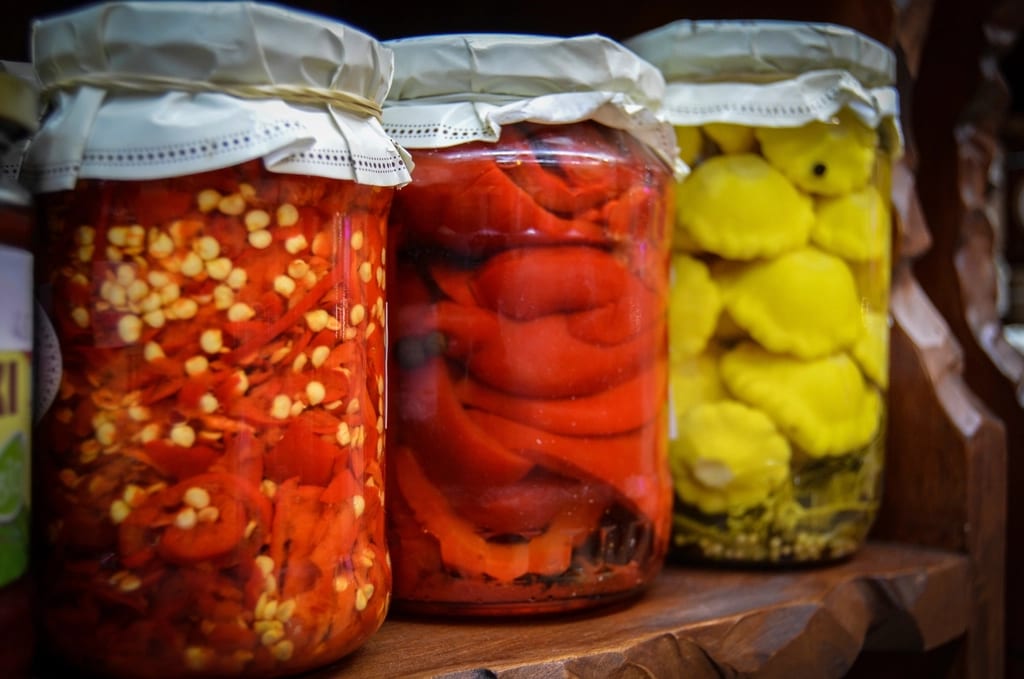
Fermented Foods: What the Science Says About Your Gut
Yogurt, kefir, sauerkraut and kimchi: how fermentation affects your microbiota and inflammation, which products to choose, and how they differ from probiotic capsules.

Gut Microbiome Basics: What It Is and How to Care for It
The gut microbiome is trillions of bacteria that feed on fiber and make compounds we need. Here is what genuinely shapes it — and what is just marketing.