Aesthetic Procedures: What Works and What Is Marketing
An evidence-based look at cosmetic procedures: botulinum toxin and fillers, lasers, SMAS lifting, HydraFacial, cryolipolysis and microneedling — where the effect is proven and where it isn't.
Longevity is not a pill but the sum of dull-but-effective habits and problems caught in time. Here are prevention and age-based check-ups, biomarkers and biological age, and a sober look at trendy anti-aging topics — what genuinely extends healthy lifespan and what is merely sold.
14 articles
An evidence-based look at cosmetic procedures: botulinum toxin and fillers, lasers, SMAS lifting, HydraFacial, cryolipolysis and microneedling — where the effect is proven and where it isn't.
What skincare is backed by research: sunscreen, retinoids, moisturizer, niacinamide and vitamin C. A short working routine instead of ten steps and marketing.
What actually harms your eyes and what doesn't: screens and eye strain, myopia and time outdoors, why blue-light glasses don't help, and when to get your eyes checked.
An evidence-based look at at-home beauty devices: LED therapy has a modest but real effect, microcurrent is weak and temporary, and facial EMS has almost no data.
What autophagy is, whether fasting really 'cleans your cells' and extends life, and why most of the loud claims about autophagy are not yet proven in humans.
What NAD+ is and why it declines with age, what the studies of NMN and NR supplements actually showed, and whether they are worth paying for in the name of longevity.

The 2013 epigenetic clock that reads your age from 353 methylation sites — how it works, why it was a landmark, and why buying a Horvath clock test still tells you very little about yourself.

Why the 'glass of wine is good for you' finding turned out to be a study artefact, what WHO and Mendelian randomisation show, how alcohol affects the heart, brain, liver and cancer risk.

Sarcopenia is a coded diagnosis, not ordinary ageing. How to screen yourself in five minutes, why strength beats mass, and the two things that actually work.

Epigenetic clocks are a genuine scientific advance, but consumer tests have a reliability problem: rerunning the same sample can shift the answer by years.

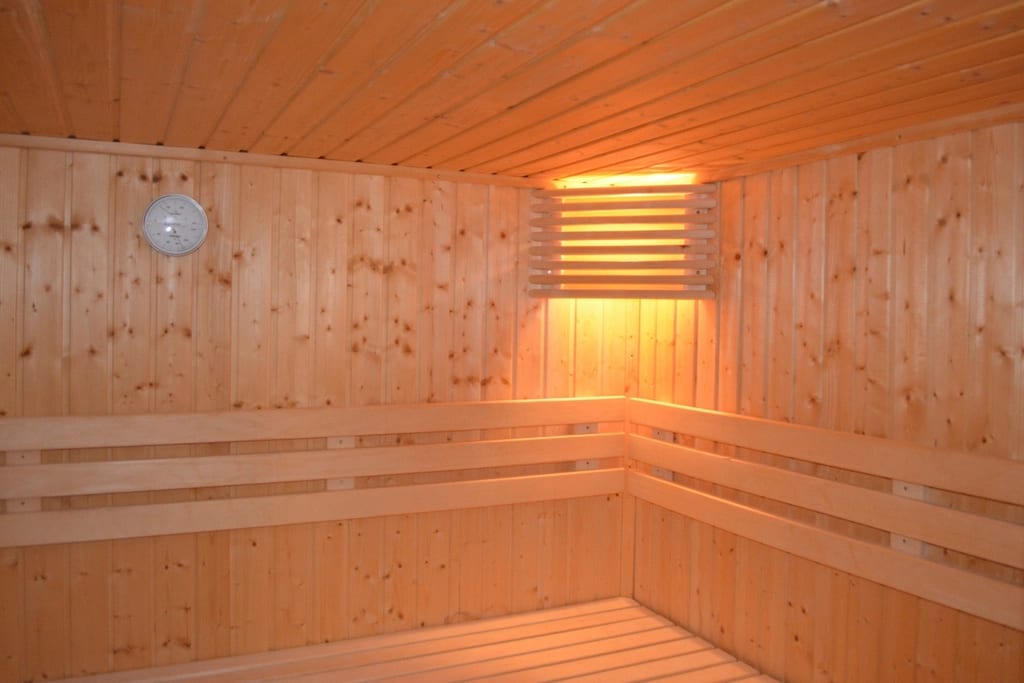
Finnish cohorts link frequent sauna use to lower heart and all-cause mortality. We cover the mechanisms, safety, and the limits of the evidence.

A decade-by-decade guide to screening that earns its place, based on USPSTF grades, plus the popular tests that do more harm than good in healthy adults.

What VO2max measures, how it tracks mortality in 122,007 adults, reference values by age and sex, how to test it, and how much you can realistically raise it.

A careful look at the Blue Zones: the record-keeping problem Saul Newman uncovered, the branding around it, and which famous habits have real evidence.