❤️ Heart Health
Oral Health: Hygiene, Gums and the Link to Your Heart
What actually works for teeth and gums: fluoride, electric brushing, interdental cleaning, water flossers — and why periodontitis is linked to heart disease.
3 min read
Cardiovascular disease is the number-one cause of death, and much of the risk can be lowered in advance. This section explains how to read blood pressure and cholesterol, what LDL, triglycerides and heart rate mean, and which habits genuinely protect your vessels — no panic, no 'artery cleansing.'
9 articles
What actually works for teeth and gums: fluoride, electric brushing, interdental cleaning, water flossers — and why periodontitis is linked to heart disease.
What the coronary calcium score is, what the Agatston numbers mean, who it genuinely helps decide about statins, and who does not need it.
What statins actually do to your risk of heart attack and stroke, where the myths about muscle pain, diabetes and memory come from, and who really needs them.
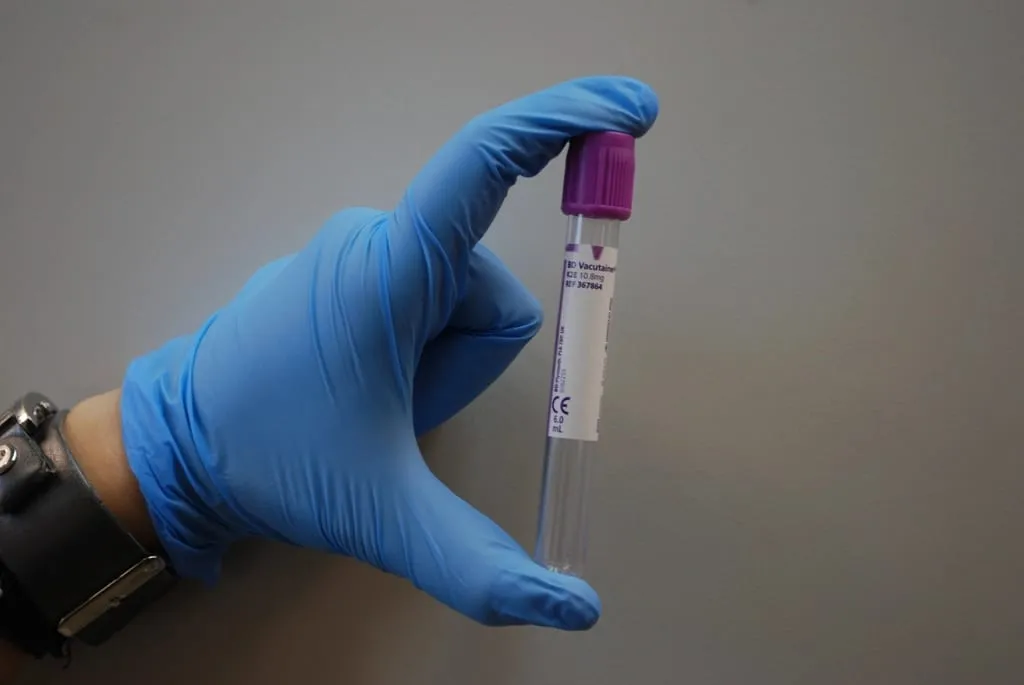
What Lp(a) is, why it is 90% genetic, who should measure it and when, what to do about a high result, and why statins barely touch it.
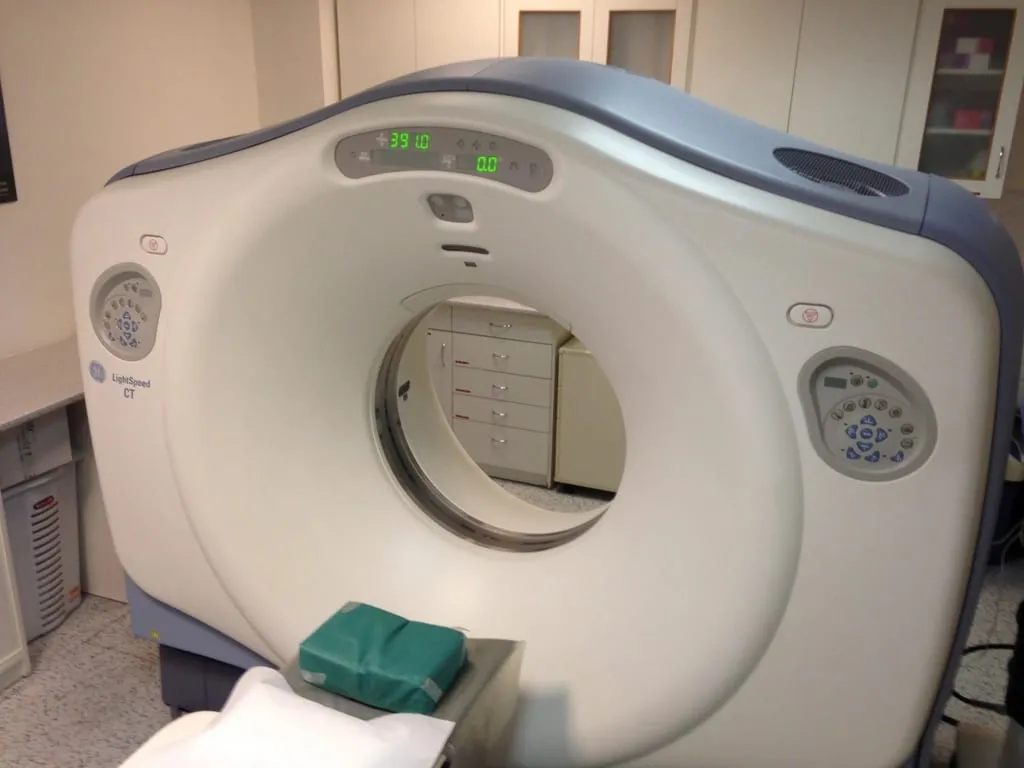
How to recognise a stroke in under a minute with FAST, why every minute counts, the difference between ischaemic and haemorrhagic stroke, and which risk factors you can actually control.

What triglycerides measure, which values count as normal or high, why levels above 500 mg/dL are urgent, and which diet and lifestyle changes actually move the number.

What counts as normal blood pressure, AHA/ACC vs ESC categories, how to measure at home correctly, and evidence-based ways to lower it without drugs: DASH, sodium, weight, exercise.

Read your lipid panel without panic: what LDL, HDL and triglycerides mean, which LDL targets apply to your risk, and how to lower it with food and statins.

Normal resting heart rate is 60–100 bpm. What a low or high pulse means, how to measure it correctly, the link to longevity, and when to see a doctor.