🥗 Nutrition
How Many Eggs a Day: Cholesterol, Benefits and Real Risks
Do eggs raise cholesterol, how many you can eat without harming your heart, what eggs are good for, and whether there are special caveats for people with diabetes.
3 min read
Nutrition shapes how you feel more than any supplement, yet it carries the most myths. Here we break down how protein, fat and carbs work, how much you actually need, and how to build a working diet without banned-food lists or detoxes — every piece grounded in research, not trends.
18 articles
Do eggs raise cholesterol, how many you can eat without harming your heart, what eggs are good for, and whether there are special caveats for people with diabetes.
How plant protein differs from animal protein in quality and digestion, whether you need to 'combine' sources, what is better for muscle and what for health and longevity.
One chemical bond separates butter from olive oil. What that difference does to your cholesterol, which foods sit on each side, and the swap that actually lowers risk.

Sodium, potassium, magnesium and calcium: what they do, how much you lose in sweat, who genuinely needs a sports drink, and why ordinary food covers it for most people.

Both are 'bad fats', but they are not in the same category. Trans fat moves LDL and HDL in opposite directions and has no safe level; saturated fat depends entirely on what replaces it.

The most studied eating pattern in the world: the PREDIMED evidence, what the diet contains, a weekly framework, and how to adapt it to an ordinary supermarket and budget.
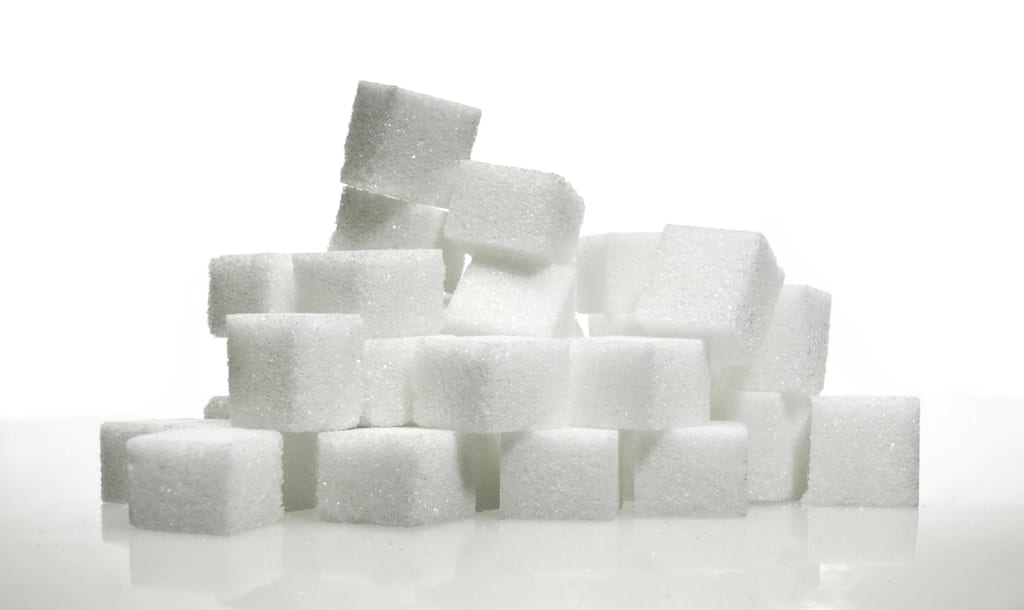
Aspartame, stevia, erythritol and sucralose examined: what the 2023 WHO guideline actually said, whether there is real cardiovascular or gut risk, and when sweeteners make sense.
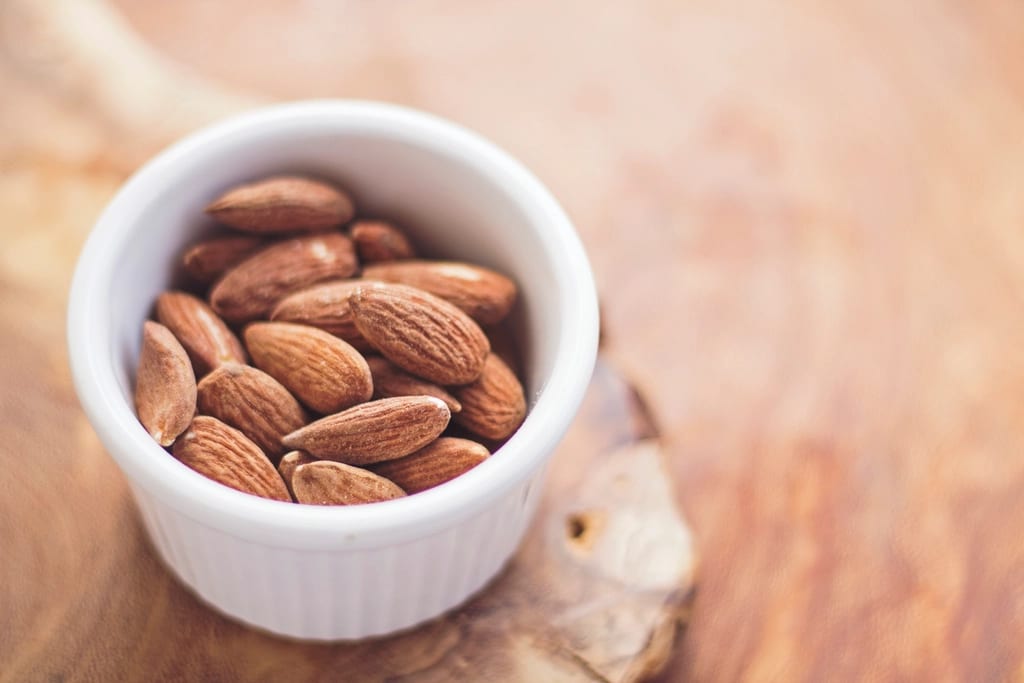
Calcium requirements by age, the best dairy and plant sources, why vitamin D and protein matter, and who actually needs a supplement rather than taking one just in case.

WHO sodium limits, how salt raises blood pressure, where most of your salt actually hides, and practical ways to cut it without food tasting bland.

Randomised trials do not support the idea that breakfast helps you lose weight or speeds up metabolism. Who genuinely needs it, and what to put on the plate.

What ultra-processed foods are under the NOVA system, how UPF differs from merely processed food, what the NIH trial showed, and how to spot UPF on the label.

The evidence-based answer on daily protein: how to calculate your target by body weight and goal, a food table with real numbers, and the myths worth dropping.

The glycemic index is measured on a 50 g carbohydrate portion, which is why it misleads. How GI is tested, why glycemic load is better, and who benefits.

How much fiber an adult needs, the difference between soluble and insoluble types, a food table with real numbers, and how to raise intake without bloating.

The WHO and AHA limits on added sugar in grams, what counts as added sugar, where it hides in everyday groceries, and how to cut back without suffering.

Where the eight-glasses rule came from, what EFSA and NASEM really recommend, why food and coffee count toward the total, and when your needs truly rise.

What fats actually do in the body, how saturated, mono- and polyunsaturated fats differ, why trans fats have no safe level, and how much fat you need per day.

The ingredient list is the only part of a package that cannot lie about proportions. How to read it, what claims like light really mean, and what to check.