Immunity
Zinc for Colds: Does It Work, Which Form and How Much
What the trials show about zinc and cold duration, which forms and doses make sense, who is at risk of deficiency, and why high doses threaten copper status and smell.
6 min read
98 articles in the archive · Page 2 of 5
What the trials show about zinc and cold duration, which forms and doses make sense, who is at risk of deficiency, and why high doses threaten copper status and smell.

Epigenetic clocks are a genuine scientific advance, but consumer tests have a reliability problem: rerunning the same sample can shift the answer by years.
What a chronotype is and how innate it really is, how to identify yours, what social jetlag costs you, and whether you can shift your schedule — with a realistic two-week plan.

How snoring differs from apnea, the warning signs, the STOP-BANG screen, what untreated apnea does to the heart and brain, how testing works and which treatments actually help.
How constipation is defined, its common causes, the role of fibre and fluid, a practical order of interventions from diet to laxatives, and the red flags that need a doctor.
Why heartburn happens, how reflux differs from GERD, which foods and habits genuinely matter, how antacids and PPIs work, and the symptoms that call for endoscopy.
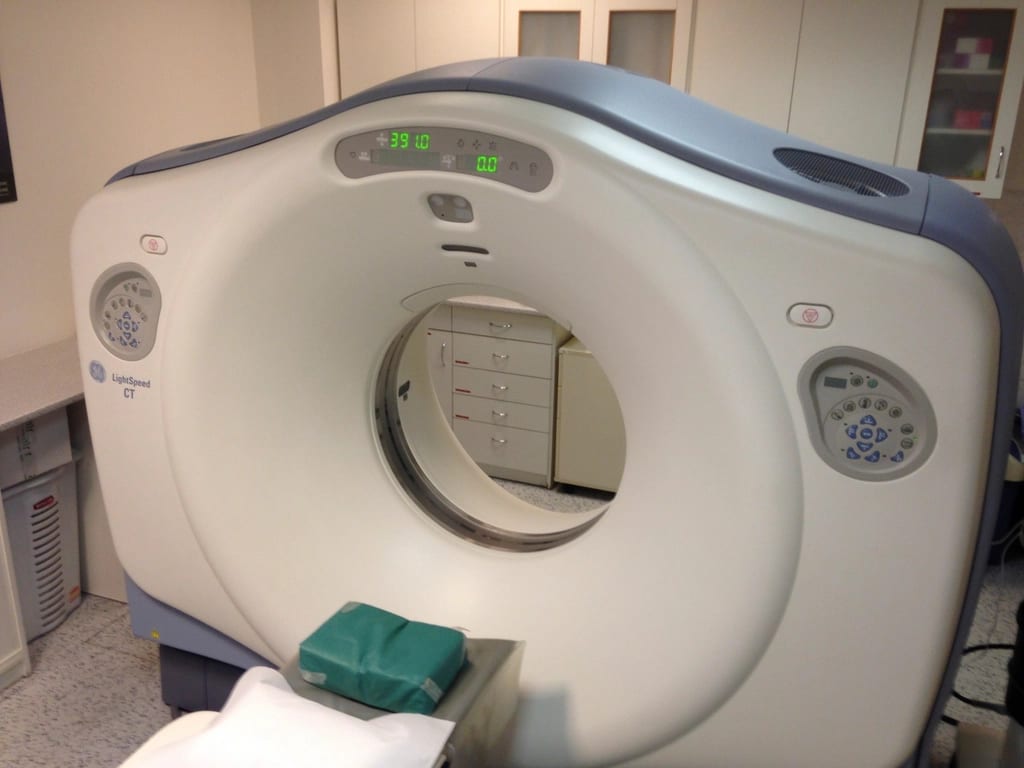
How to recognise a stroke in under a minute with FAST, why every minute counts, the difference between ischaemic and haemorrhagic stroke, and which risk factors you can actually control.

Maintenance is a separate skill, not a longer diet. What the National Weight Control Registry shows, and how to build a plan that actually holds up.

What triglycerides measure, which values count as normal or high, why levels above 500 mg/dL are urgent, and which diet and lifestyle changes actually move the number.

What large studies show about screens and mental health: why total screen time barely predicts anything, and what to change instead of a digital detox.
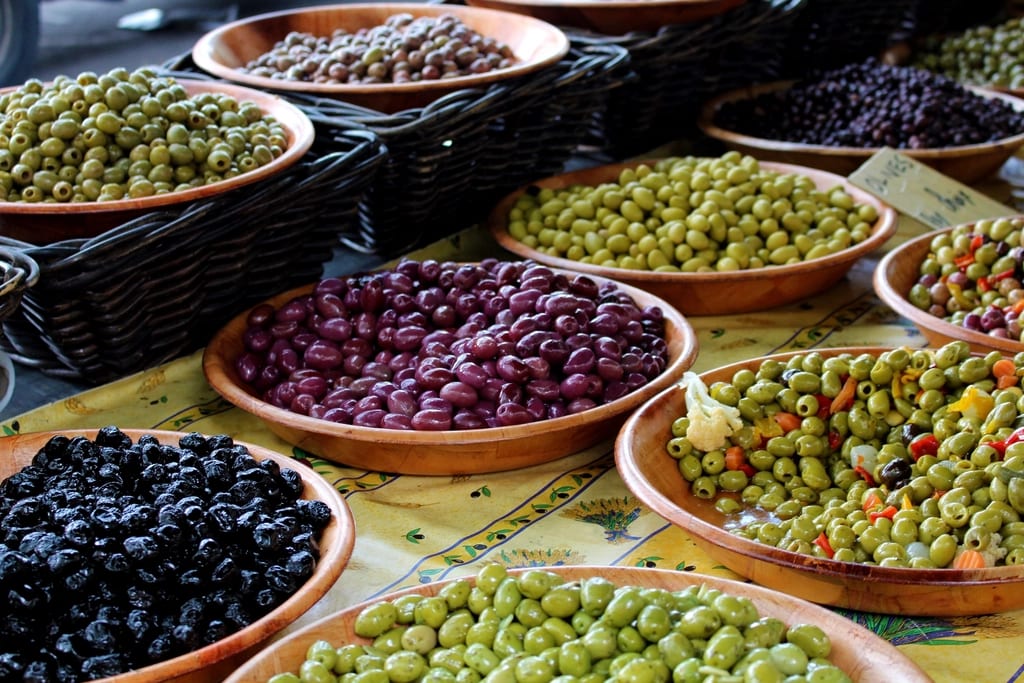
The most studied eating pattern in the world: the PREDIMED evidence, what the diet contains, a weekly framework, and how to adapt it to an ordinary supermarket and budget.
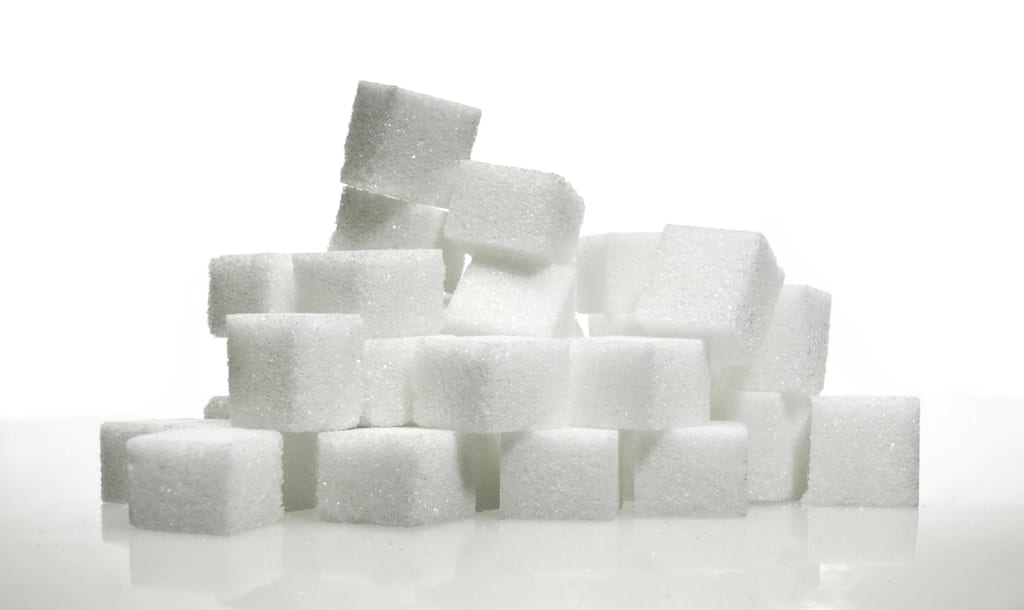
Aspartame, stevia, erythritol and sucralose examined: what the 2023 WHO guideline actually said, whether there is real cardiovascular or gut risk, and when sweeteners make sense.
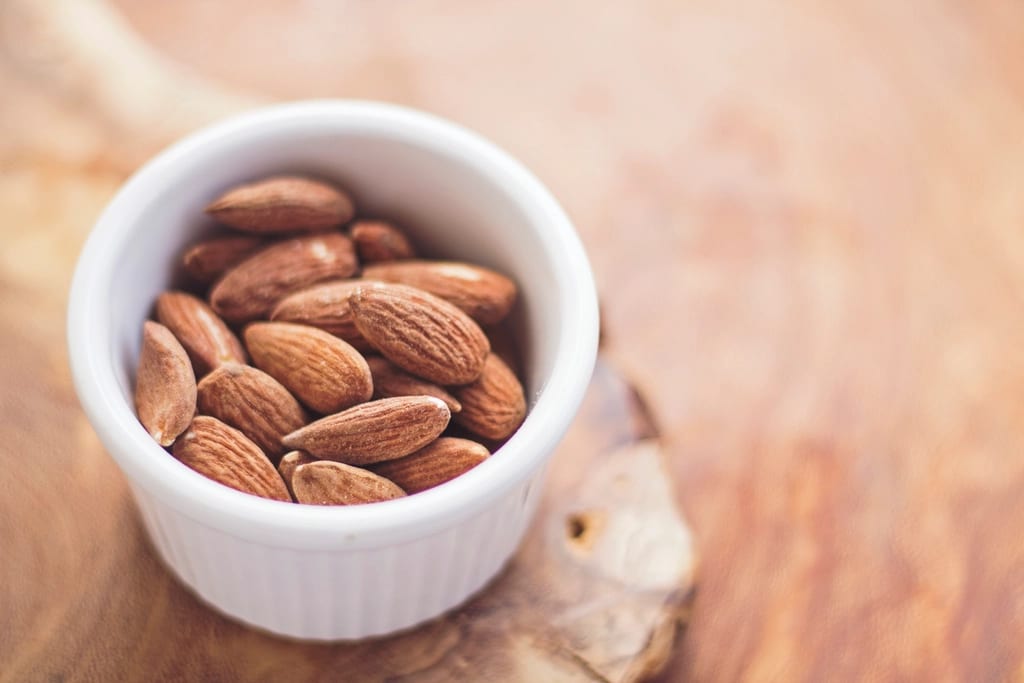
Calcium requirements by age, the best dairy and plant sources, why vitamin D and protein matter, and who actually needs a supplement rather than taking one just in case.
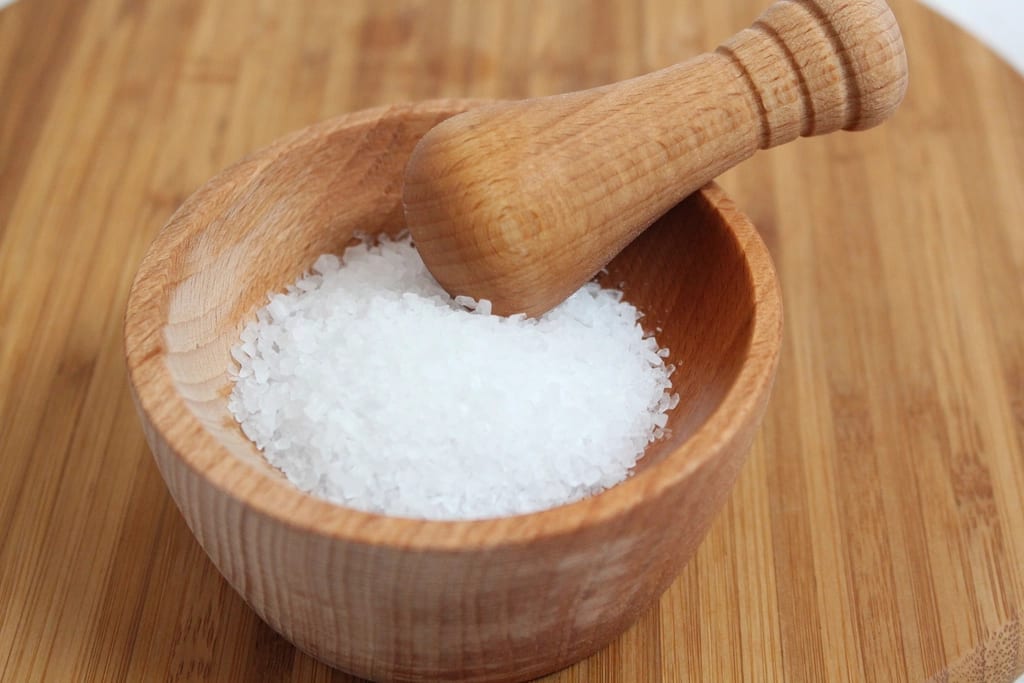
WHO sodium limits, how salt raises blood pressure, where most of your salt actually hides, and practical ways to cut it without food tasting bland.

One sheet pan, one hour, four lunches at 53 g of protein each. Full method, four dressings so it never gets boring, and the storage rules that keep it safe.
How gut gas forms and the common causes of bloating — fiber, FODMAPs, lactose, IBS, air swallowing. A step-by-step plan plus the red flags that mean see a doctor.
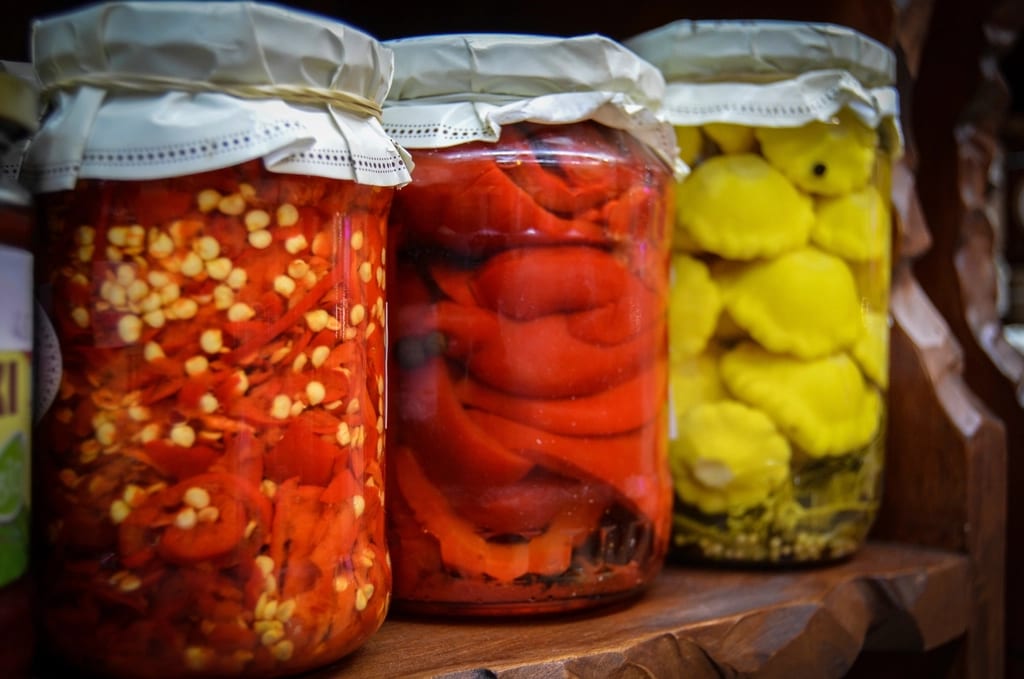
Yogurt, kefir, sauerkraut and kimchi: how fermentation affects your microbiota and inflammation, which products to choose, and how they differ from probiotic capsules.
The gut microbiome is trillions of bacteria that feed on fiber and make compounds we need. Here is what genuinely shapes it — and what is just marketing.

What counts as normal blood pressure, AHA/ACC vs ESC categories, how to measure at home correctly, and evidence-based ways to lower it without drugs: DASH, sodium, weight, exercise.

Read your lipid panel without panic: what LDL, HDL and triglycerides mean, which LDL targets apply to your risk, and how to lower it with food and statins.
Normal resting heart rate is 60–100 bpm. What a low or high pulse means, how to measure it correctly, the link to longevity, and when to see a doctor.

You can't 'boost' immunity with a pill. Here's what actually helps — sleep, movement, food, vaccines — and why immune boosters and vitamin megadoses do nothing.
Sleeping under 6 hours raises cold risk fourfold. We break down Prather's experiments, the sleep-vaccination link, and what to do during cold season.
Vitamin C doesn't prevent colds in most people, but cuts their length by about 8%. We unpack the myths, doses, the absorption ceiling, and zinc.