Longevity
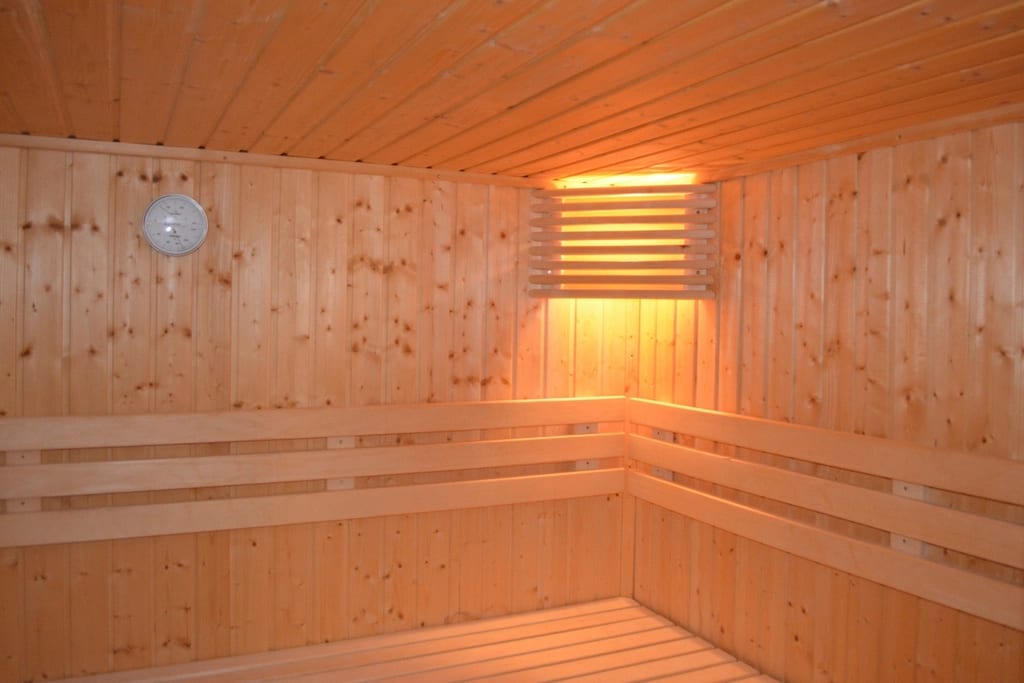
Sauna and Longevity: What Finnish Studies Show
Finnish cohorts link frequent sauna use to lower heart and all-cause mortality. We cover the mechanisms, safety, and the limits of the evidence.
9 min read
98 articles in the archive · Page 3 of 5
Finnish cohorts link frequent sauna use to lower heart and all-cause mortality. We cover the mechanisms, safety, and the limits of the evidence.

Randomised trials do not support the idea that breakfast helps you lose weight or speeds up metabolism. Who genuinely needs it, and what to put on the plate.
What ultra-processed foods are under the NOVA system, how UPF differs from merely processed food, what the NIH trial showed, and how to spot UPF on the label.

The optimal nap is 10–20 minutes. Learn about sleep inertia after long naps, the coffee nap, when napping hurts night sleep, and who should skip it.
Who actually needs vitamin B12, how to spot deficiency by symptoms and tests (B12, homocysteine, MMA), and which forms and doses to choose. A guide for vegans and at-risk groups.
Why women are at higher risk of iron deficiency, how to read ferritin, heme vs non-heme iron, how vitamin C and coffee affect absorption, and when supplements make sense.

Perimenopause vs menopause without the panic: why hot flushes, poor sleep and mood swings happen, what to do for bones and heart, protein and strength, and when to discuss HRT with a doctor.

What the data actually say about strength and endurance across cycle phases, whether cycle syncing works, training with PMS, and why a lost period is a red flag.

Strain specificity, CFU labelling, the 2018 trials that reversed the pediatric gastroenteritis story, and when probiotics are genuinely dangerous.

How caffeine really works: adenosine blockade, half-life and CYP1A2 genetics, EFSA safe limits, and the evidence-based cut-off time from a 2023 meta-analysis.

Lactic acid is not the cause. The real mechanism behind delayed onset muscle soreness, its timeline, the repeated bout effect, and what actually eases it.

How much exercise actually improves depression and anxiety, why the effect sizes shrink in better trials, and where movement stops being enough on its own.

What burnout is under ICD-11, the three dimensions described by Maslach, how it overlaps with depression, and what the evidence says actually helps.

Why weight loss stalls: water retention, metabolic adaptation, falling NEAT and portion creep. Real numbers on adaptation, plus a fix-it order that works.

A decade-by-decade guide to screening that earns its place, based on USPSTF grades, plus the popular tests that do more harm than good in healthy adults.

How creatine works, why monohydrate beats every pricier form, whether loading is worth it, the honest size of the effect, and where the kidney myth began.

How many hours of sleep adults and children actually need, why long sleep also shows up in risk charts, and how to find the number that works for you.

What your daily energy burn is really made of, why metabolism does not crash at 30, and which levers — muscle, NEAT, protein, sleep — actually move the number.

The evidence-based answer on daily protein: how to calculate your target by body weight and goal, a food table with real numbers, and the myths worth dropping.

How chronic insomnia is diagnosed, why your compensations keep it going, and what CBT-I involves — the first-line treatment recommended by the AASM and the ACP.

The glycemic index is measured on a 50 g carbohydrate portion, which is why it misleads. How GI is tested, why glycemic load is better, and who benefits.

Iron deficiency starts long before anaemia, ferritin drops first and lies during inflammation, and iron taken without testing can do real damage.

What magnesium does, how much you need by age and sex, why a blood test tells you almost nothing, and how citrate, glycinate and oxide really compare.

Flexibility versus mobility, why long static holds before lifting cost you strength, why stretching prevents neither injury nor soreness, and what works.